
Reliable power systems are essential for stable telecom network operations. A typical base station power system includes grid input units, rectifier modules, battery banks, and power distribution units. The reliability of these components directly affects network uptime and operating costs.
Field experience shows that over 80% of power system failures are related to insufficient maintenance. Loose connections, dust buildup, incorrect charging parameters, and poor environmental conditions can gradually degrade performance and shorten equipment lifespan.
Instead of reacting to failures, proactive maintenance helps detect issues early and prevent system degradation. Based on telecom site experience, three key maintenance actions can significantly extend system life.
1. Routine Inspections: Detect Problems Early
Routine inspections are the first step in preventing system failures. Issues such as loose terminals, abnormal voltage, or overheating can quickly escalate if left unnoticed.
A structured inspection plan should include:
Daily inspection
Check AC grid input status and voltage range (typically 160–280Vac)
Verify rectifier module indicators and fan operation
Inspect batteries for swelling, leakage, or abnormal temperature
Confirm distribution units and circuit breakers are secure
Weekly inspection
Measure individual battery voltages and compare with historical data
Check surge protection devices and grounding connections
Review monitoring system data (voltage, current, alarms)
Monthly inspection
Calibrate rectifier charging parameters
Inspect grounding and electrical connections
Analyze inspection records for performance trends
Regular inspections help detect early warning signs and prevent major failures.
2. Maintain Key Components
The lifespan of a telecom power system largely depends on three components:
Rectifier modules
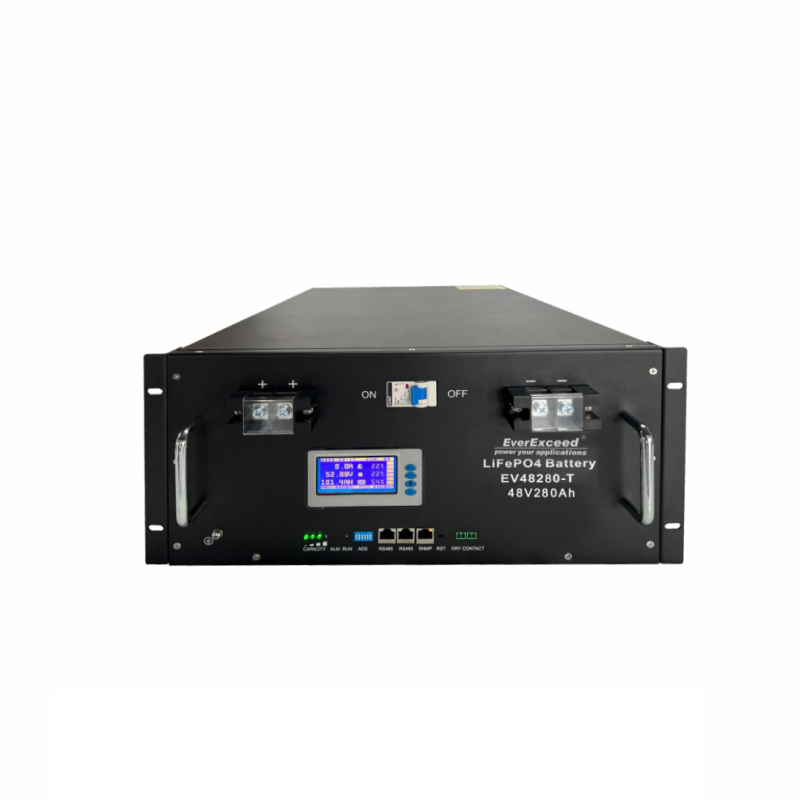
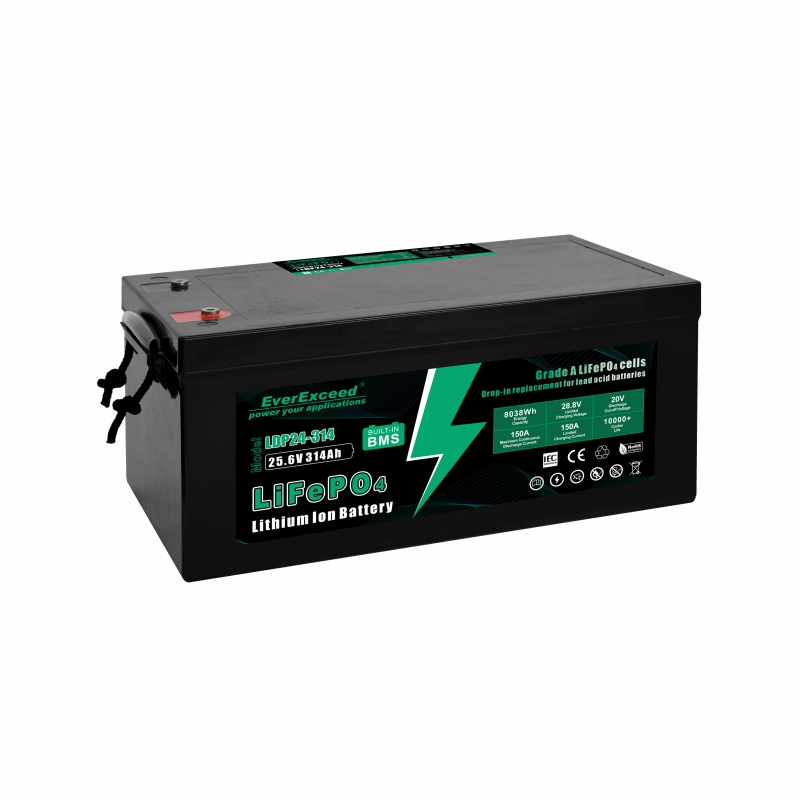
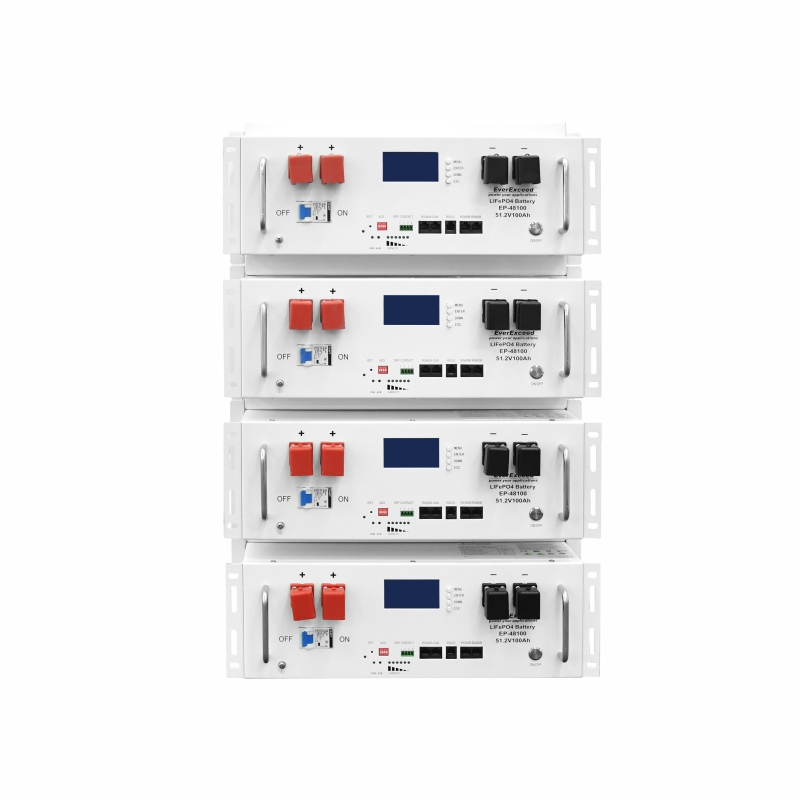
Battery banks
Power distribution units
Proper maintenance of these components ensures long-term system reliability.
Rectifier module maintenance
Rectifiers are responsible for power conversion. Dust accumulation and poor cooling may lead to overheating and reduced performance.
Recommended practices:
Clean modules and cooling fans regularly
Ensure ventilation paths remain unobstructed
Inspect internal components periodically
Calibrate output voltage every six months
Stable output voltage protects both batteries and telecom equipment.
Battery bank maintenance
Battery banks provide backup power during grid outages and typically last 5–8 years.
Maintenance practices include:
Verify proper charging parameters
Perform periodic capacity testing
Maintain ambient temperature between 15–25°C
Clean battery terminals and secure connections
Proper battery management prevents premature capacity loss.
Power distribution unit maintenance
Distribution units manage power allocation and protection.
Key tasks include:
Tightening wiring connections
Inspecting circuit breakers
Checking surge protection devices
Replacing aging components when necessary
These measures help prevent overheating and electrical faults.
3. Optimize the Operating Environment
Environmental conditions significantly affect power system reliability. Many base stations operate in remote or outdoor environments exposed to temperature changes, humidity, dust, and lightning.
Temperature control
Recommended equipment room temperature: 18–25°C
High temperatures accelerate battery aging
Low temperatures reduce battery discharge performance
Ensure proper air conditioning and ventilation.
Humidity control
Recommended humidity range: 40–60%
Excess moisture may cause corrosion and short circuits
Extremely dry conditions can generate static electricity
Use humidifiers or dehumidifiers if needed.
Lightning and electromagnetic protection
Protection measures include:
Regular inspection of surge protection devices
Ensuring grounding resistance remains below 5 ohms
Installing filtering devices when required
Dust management
Dust buildup can block cooling channels and corrode electrical contacts. Routine cleaning of equipment and telecom rooms helps maintain reliable operation.
Conclusion
Extending the lifespan of base station power systems relies on three essential practices:
Routine inspections
Maintenance of key components
Proper environmental management
Consistent maintenance reduces failure rates, lowers operating costs, and improves network reliability.
In telecom infrastructure, product quality and regular maintenance are equally important for long-term system performance.
แท็ก :
หมวดหมู่
ล่าสุด โพสต์




สแกนไปที่ WeChat:everexceed